
A little embellishment for The Mermaid Scientist Alphabet Book; O is for Octopus.
How To Be A Mermaid/Marine Biologist
A little embellishment for The Mermaid Scientist Alphabet Book; O is for Octopus.
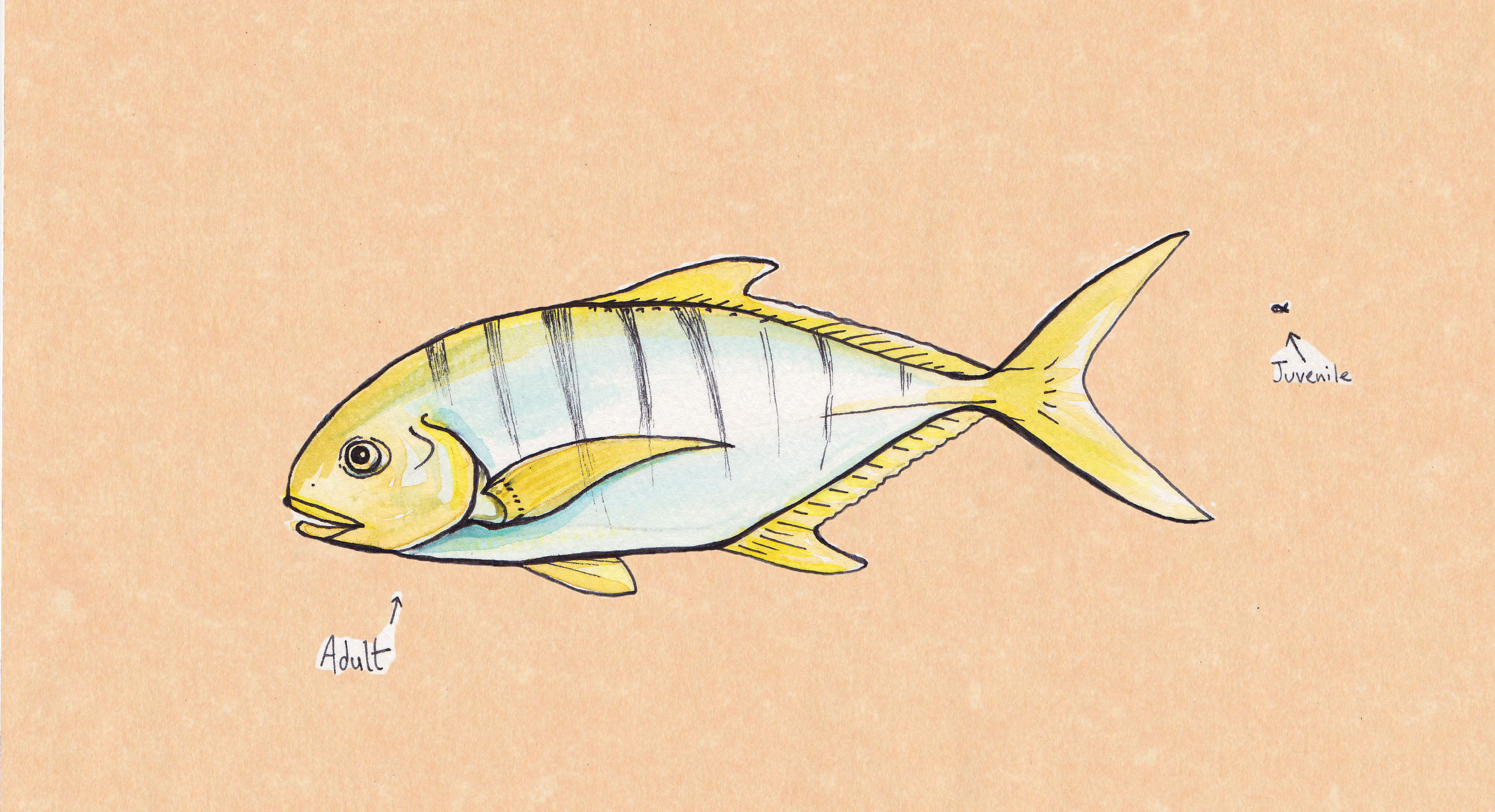
One of the fish sketches for the borders of the Mermaid Scientist Alphabet Book
Thank you to everyone for coming out to enjoy some art and wine and chocolate!
I feel grateful to have such classy fantastic friends and family!

All the Mermaid Scientist art, prints and cards will be on display & for sale June and July at Mama Ganache Artisan Chocolate.

Schedule for June and July Art After Dark


O is for Octopus
Scientific name: Amphioctopus marginatus
Tagalog: Pugita
The Coconut Octopus of The Coral Triangle is a multi-talented mollusk. He can change color to tell you how he’s feeling, solve puzzles, catch fish, blow ink, swim, crawl, explore, befriend mermaids
AND, most impressively, he joins the elite group of species on planet earth who use tools. His favorites include coconuts and clam shells and uses them for protection. Like the nudibranch, he is a soft and squishy little guy who feels exposed and naked when walking across the ocean floor. A clam shell acts like an army helmet or bunker, making a safe place to hide when a hungry sea monster attacks.
Video: http://bcove.me/u67wa3sj
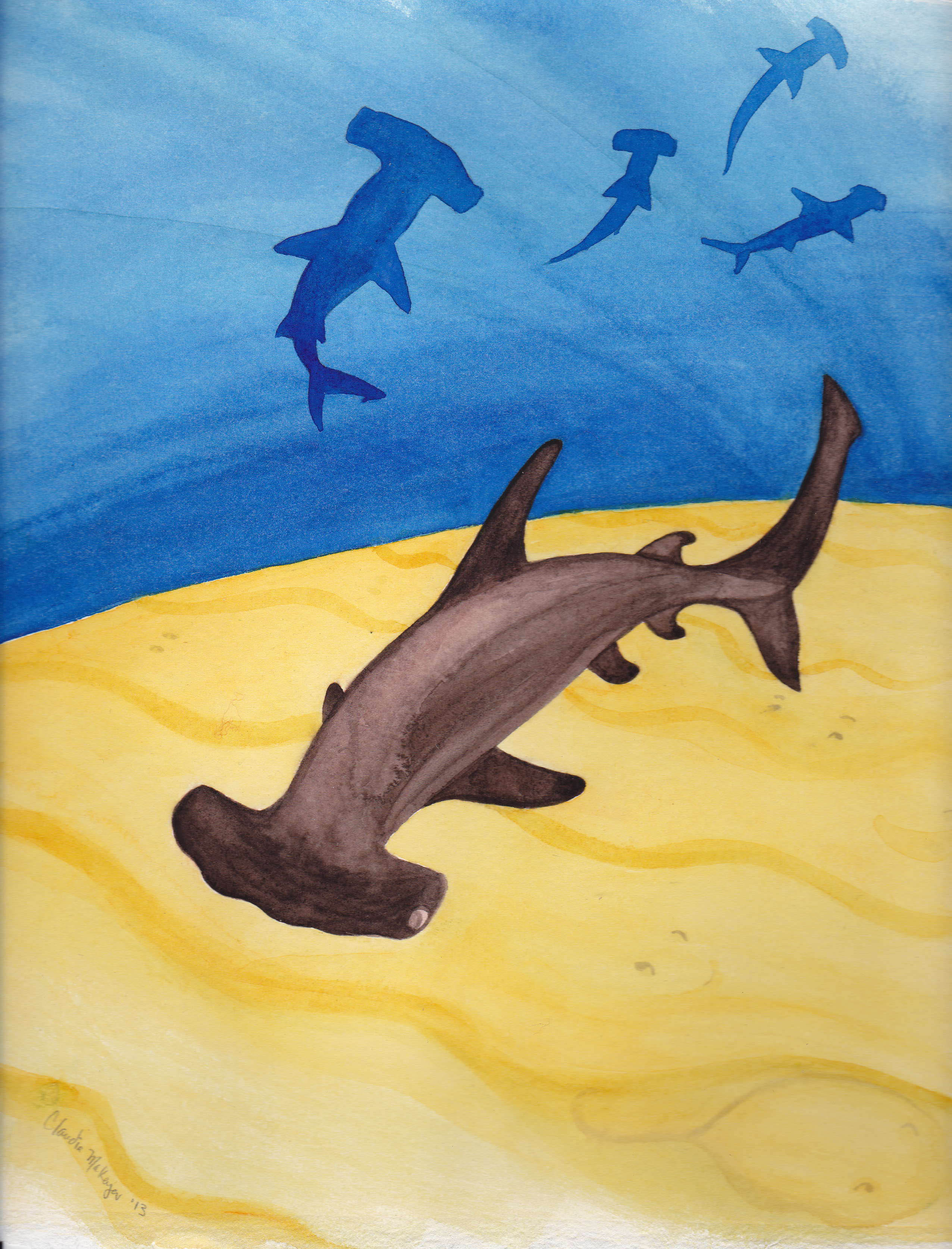
H is for Hammerheaded Hammerhead Head Shark
Tagalog: Crosan
Scientific Name: Sphyrna lewini
This shark has a humungous hammer shaped head.
A Hammerhead can find his favorite foods hidden under the sand, like the stingray.
His head has pores filled with electric jelly that can sense other animals even when they are hidden.
You can also call these jelly pores “electroreceptors” or “galvanic cells”
The bigger the head, the more pores and therefore it’s easier for this shark to detect electric impulses from other sea creatures.
Finding invisible things is this sharks special power so playing hide and seek with him is not recommended.
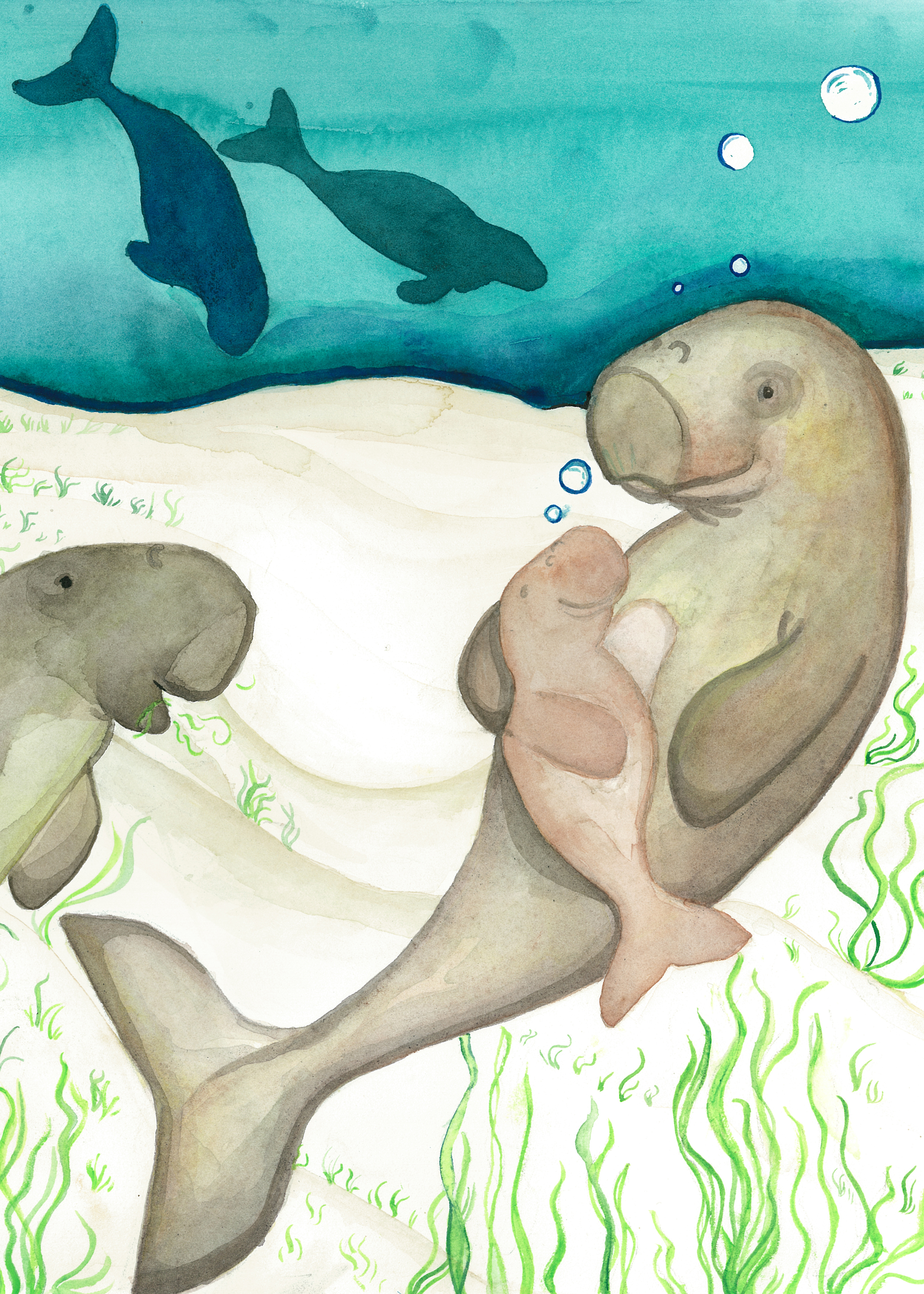
D is for Dugong
Tagalog: Duyong
Scientific name: Dugong dugon
We delight in devouring delicious, delicate sea grass shoots.
Dugongs are actually mammals, Isn’t that neat?

The Baby Brown Banded Bamboo Shark likes stripes.
Stripes, like those of the poisonous sea snake, fool potential predators (the dumb ones) and protect this baby from being eaten.
When the Brown Banded Bamboo Shark grows out of his juvenile stripes, he becomes a mature brown.
Unfortunately, most humans are not fooled by the stripes and these little guys are commonly eaten in the islands of The Coral Triangle.
Boding = Tagbanua/Tagalog name for Shark

I am an Anemone,
A tentacled beast at the bottom of the sea.
It is a beautiful place with a lot of space,
And it used to get quite lonely.
One day a clownfish and some Zooxanthelae
floated by, nestled in and came to live with me.
We are now a happy, multi-species family.
The Anemone, the Clownfish and the Zooxanthellae are a symbiotic threesome found all over the reefs of Palawan.
The Mermaid Islands Corp is coming out with a fun fact filled Alphabet book of the sea creatures we have found in Palawan. Bright watercolors and ocean critter stories promise to be entertaining to mermaids and kids alike. Enjoy these teasers and stay tuned for more updates on how to reserve your book.
Banan = Tagalog/Tagbanua name for Anemone
 Mermaid Scientist